What Do the Groom’s Parents Pay For?
For a long time there was a clean answer to this question. The bride’s family paid for the wedding, the groom’s family covered a shorter and more specific list, and nobody had to guess. That old script has loosened a great deal, but it is still the most useful place to start when two families are trying to sort out who covers what.
The traditional groom’s-family list
Etiquette guides going back decades handed the groom’s parents a defined set of items. The two big ones were the rehearsal dinner and the honeymoon. Below those sat a handful of smaller costs: the officiant’s fee, the marriage license, the bride’s wedding rings, and the boutonnieres and corsages for both families. In some versions the groom’s side also picked up the bar or the band. The logic was simple. The bride’s family hosted the wedding, so the groom’s family hosted the night before and sent the couple off on the trip.
The rehearsal dinner is the headline item
Of everything on the list, the rehearsal dinner is the one most families still associate with the groom’s side. It can be a backyard cookout or a sit-down meal at a restaurant, and it should scale to what feels comfortable, not to what looks impressive. If your wedding is out in the country near Palmyra, the rehearsal dinner is also where out-of-town family lands the night before, so a relaxed meal close to the venue does double duty.
The honeymoon, then and now
Traditionally the groom’s parents covered the honeymoon. That one has shifted the most. Plenty of couples now pay for the trip themselves, set up a honeymoon fund in place of a gift registry, or take a smaller trip and save the bigger one for later. If the groom’s family wants to contribute here, it is a generous and easy way to help without getting into the weeds of wedding-day vendors.
Rings, the license, and the smaller items
The bride’s wedding and engagement rings traditionally came from the groom or his family. So did the marriage license and the officiant’s fee, along with flowers for the immediate families. None of these are large on their own, but together they are a real line on the budget, and they tend to be the items that fall through the cracks because no one has claimed them.
Why almost no one follows the old rules exactly
Couples marry later than they used to, often pay for a good share of the wedding themselves, and pull contributions from both families rather than one. National wedding studies now describe costs being split many different ways, with no single arrangement standing out as normal. The honest takeaway is that the tradition is a menu, not a rulebook. It is a good conversation starter, and a terrible thing to assume in silence.
How to have the money talk without it getting awkward
The arguments almost never come from who pays. They come from who assumed. A short, plain conversation early on prevents most of it.
- Have the conversation before you book anything, not after the deposits are due.
- Ask each family for a dollar amount they are comfortable with, rather than a vague share or percentage.
- Put who-pays-for-what in writing so nobody is surprised by a bill later.
- Leave room to adjust. Plans move, and budgets move with them.
A venue that keeps the math simpler
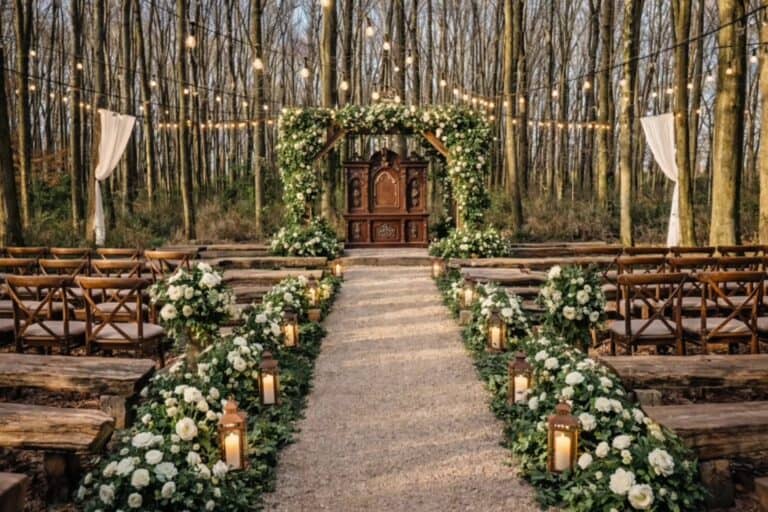
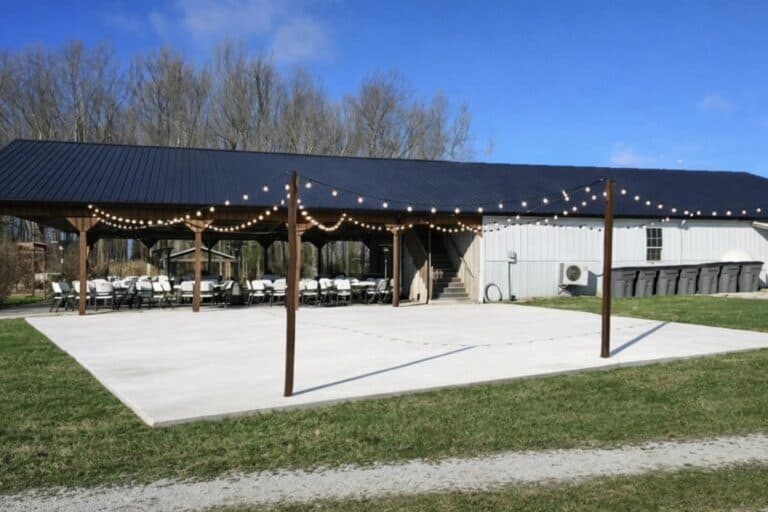
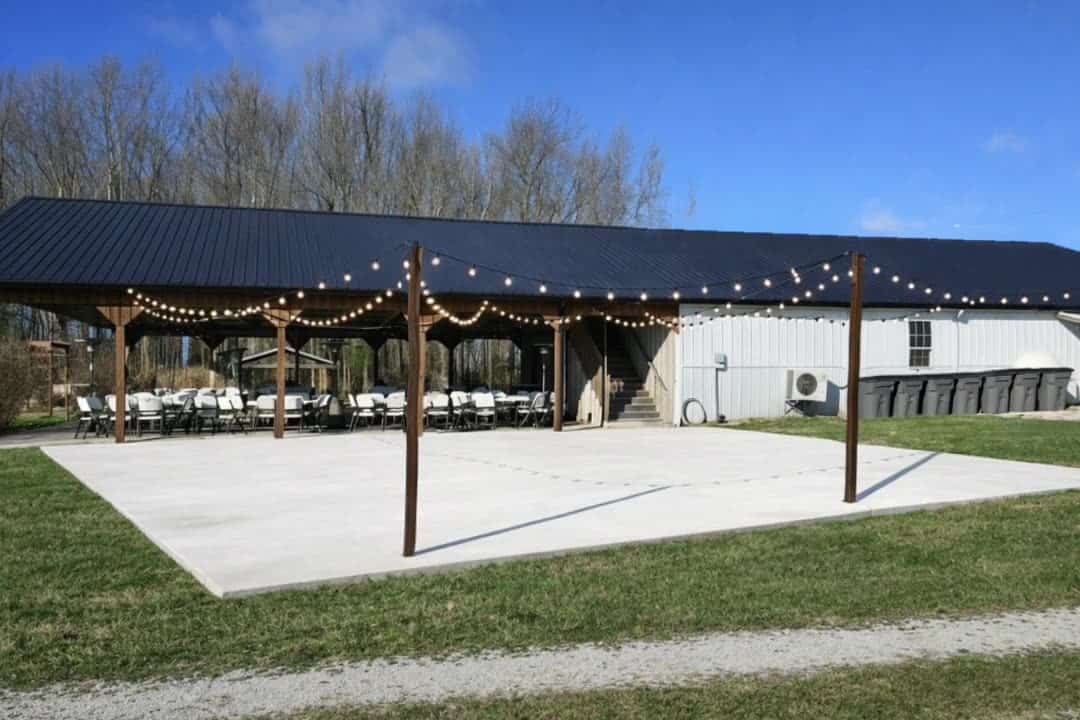
When one place holds the ceremony, the reception, and the rain backup, families have fewer separate bills to divide and fewer chances to double up. Highland Oaks sits on a quiet stretch of southern Indiana about twenty-five minutes from Louisville, with the oaks, the open field, the barn, and a covered pavilion all on one property. Fewer moving pieces means a shorter who-pays conversation. You can see how our pricing is put together on our pricing page.
What the bride’s family and the couple usually cover
For balance, the other side of the old tradition handed the bride’s family the wedding itself: the venue, the catering, the flowers, the photography, and the bride’s gown. These days the couple often picks up a large share of all of it. The reason to know the traditional split is not to enforce it. It is to give every contributor a clear starting place, so the generosity flows toward specific items instead of disappearing into a vague pile.
A note for families planning a wedding near Louisville
If your families are coming from different towns, assigning whole categories rather than splitting every receipt tends to keep the peace. One family takes the rehearsal dinner, another covers the photography, the couple handles the venue. Clean lines, no running tally, and nobody quietly keeping score on the drive home.
However your two families decide to share the cost, the wedding itself should feel like one calm day in a beautiful place. If you want to walk the grounds and picture it, we would love to show you around. Reach out to schedule a tour at Highland Oaks and we will help you see how the day comes together.
Planning a wedding near Louisville?
Highland Oaks is a barn wedding venue in Palmyra, Indiana, a short drive from Louisville. Come walk the grounds and picture your day. Tours take about 45 minutes, with no pressure.
Book a TourPrefer to talk it through first? Call or text (502) 785-9671.