Do You Need a Wedding Seating Chart?
You have the venue, the date circled, the dress hanging in the closet. Then the RSVPs start coming back and a quieter question shows up: where does everyone sit? It is one of the last big planning decisions, and it trips up more couples than almost anything else.
Do You Actually Need a Seating Chart?
Here is the honest answer. No, not every wedding needs assigned seats. But most weddings over about sixty guests run smoother with one. A seating chart is less about control and more about kindness. It spares your guests the small, real stress of walking into a room full of people and wondering if there is a seat for them, or worse, if there are two seats together for them and their date.
If you are hosting a small, casual gathering, you can skip the chart and no one will miss it. If you are feeding a hundred-plus people a plated dinner, you will want one. Most weddings fall somewhere in between, and that middle is where the real decision lives.
When Open Seating Works
Open seating, where guests choose their own spots, can feel relaxed and unfussy. It tends to work when a few things are true:
- Your guest count is small, roughly sixty or under, and most people already know each other.
- You are serving a buffet, food stations, or heavy appetizers rather than a sit-down plated meal.
- Your reception leans casual or cocktail-style, and flows between indoor and outdoor space.
- You have a little extra seating, so no one is ever left scanning the room for the last open chair.
The catch with open seating is the math. If you set out exactly enough chairs for exactly your headcount, you will almost always end up with a couple split across two tables, or one lonely empty seat nobody wants to claim. Pad your seating by five or ten percent and that problem mostly takes care of itself.
When a Seating Chart Earns Its Keep
For larger weddings, a chart stops being optional and starts being a gift to everyone, you included. A plated dinner all but requires assigned seats, because your caterer needs to know who ordered the beef and who ordered the vegetarian plate, and that only works if people sit where the count says they will. Family-style service is the same story.
Beyond the food, a chart lets you do the quiet hosting work ahead of time. You can seat your college friends together, keep the two relatives who do not get along on opposite sides of the room, and give your grandmother a spot near the warmth of the party but out of the path of the speakers. You will feel the payoff on the day itself, too. When guests walk in and find their names, the room fills in minutes instead of milling around. Nobody saves chairs. Nobody hovers. Dinner starts on time.
The Hybrid Most Couples Land On
You do not have to choose between total control and total chaos. Plenty of couples assign tables but not specific seats. You decide that the Johnson family is at table six, and the Johnsons sort out among themselves who sits where. It keeps the planning lighter, gives your guests a home base the moment they walk in, and still hands the caterer a clean count to work from.
Assign-by-table is the sweet spot for a lot of weddings in the eighty to two hundred range. You get the hosting benefit without spending a whole weekend agonizing over whether Aunt Carol should be on the aisle.
How to Build the Chart Without Losing a Weekend
When you are ready to actually do it, a little structure saves hours of second-guessing.
- Wait for your RSVPs. Do not start until most are back. You cannot seat people who have not said yes.
- Map your tables to the space first. Know how many tables fit, and how many each one seats, before you place a single name.
- Start with the hardest groups. Place immediate family, the wedding party, and anyone with a tricky dynamic first. Everyone else falls in around them.
- Think in groups, not individuals. Seat people who will enjoy each other: a table of work friends, a table of cousins, a mix that gives quieter guests a friendly anchor.
- Give every guest at least one familiar face. No one should sit at a table of strangers, especially older relatives and solo guests.
- Keep it loose until the last week. Late changes happen. Build it in a tool you can edit, not in permanent marker.
The Seating Situations Worth a Second Thought
A few spots tend to need extra care. Divorced parents are the classic one. You do not have to seat them together. You can give each their own table of close family and friends so both feel honored, with no awkward standoff in the middle of dinner. Solo guests do better seated with people near their own age or stage of life than parked at a leftover table. Kids, if you are inviting them, can have their own table with a small activity or two, or stay with their parents, depending on ages. And the head table, sweetheart table, or one long family-style table is entirely your call. There is no wrong answer there, only the one that fits how you want the night to feel.
How It Comes Together at Highland Oaks
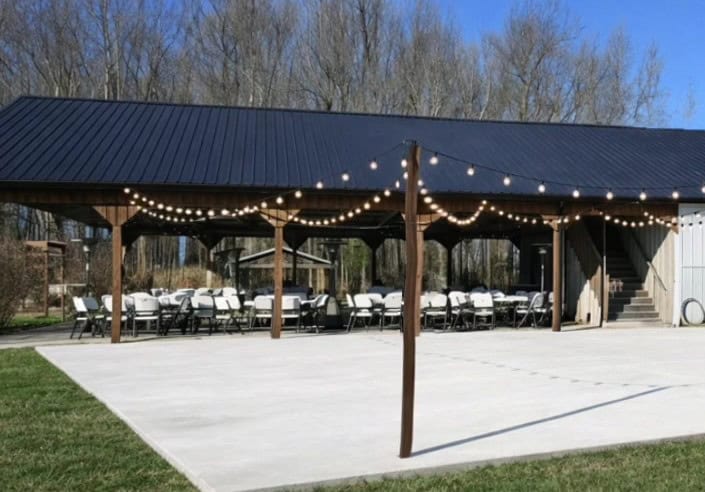
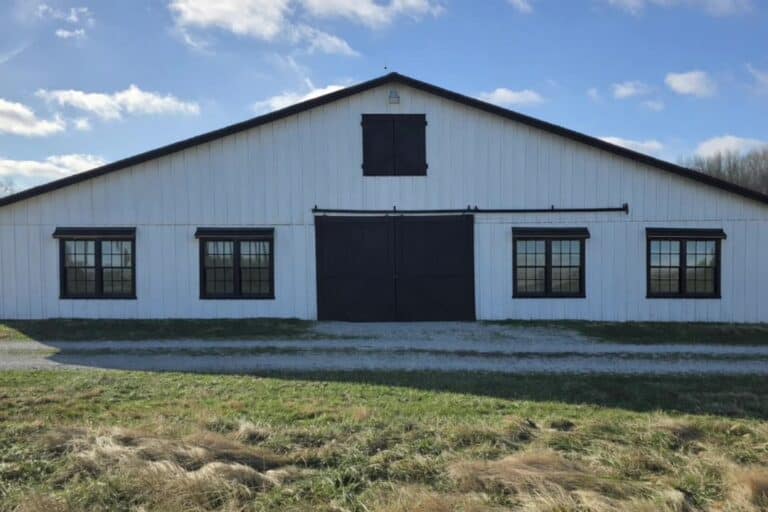
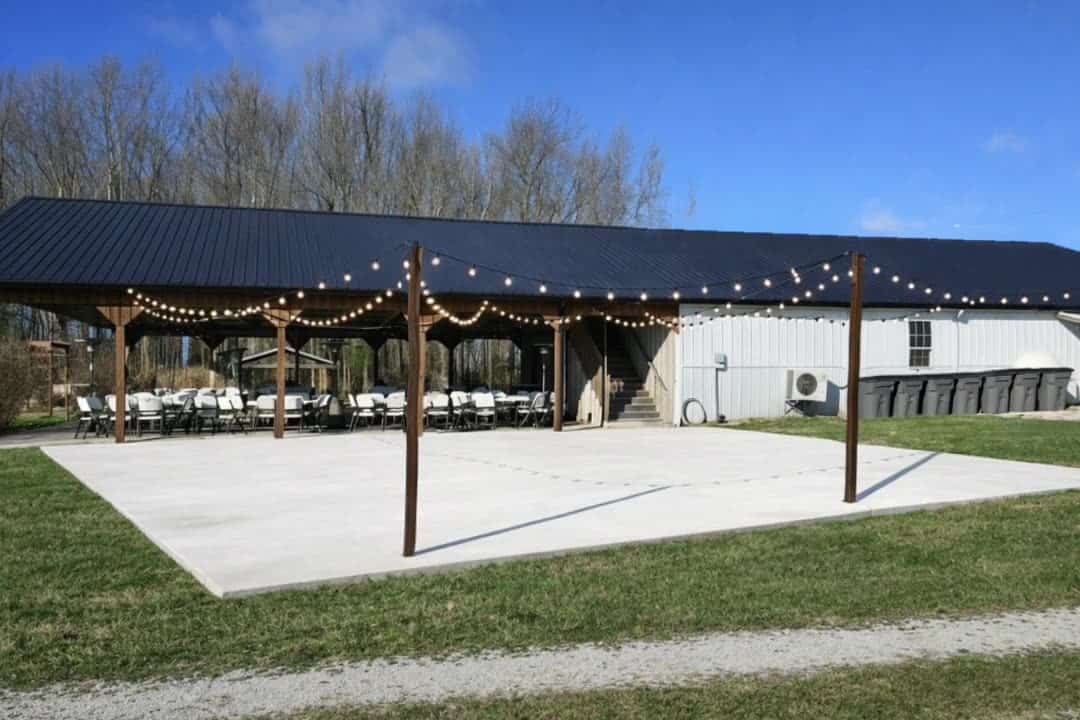
Our covered pavilion seats a full reception under the string lights, and the barn and grounds give you room for a dinner of up to three hundred. When you tour, we walk the reception space with you and talk through how your tables will actually lay out: where the head table lands, how the flow runs from dinner to dancing, where the buffet or bar sits. A seating chart is far easier to build once you have stood in the room and can picture your people in it.
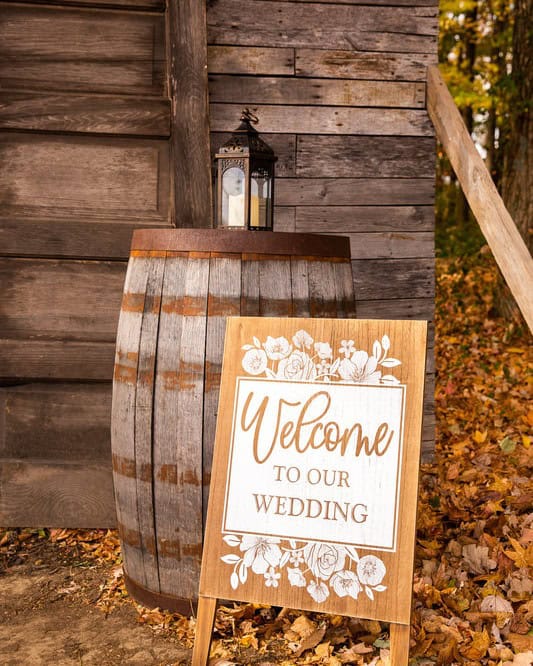
On the day, a clear display does the heavy lifting. A simple sign or a card table at the entrance, names in alphabetical order, and your guests seat themselves without a single question. Our team helps set it up and points people in the right direction, so that last piece never lands on you.
The Goal Is a Room Where Everyone Feels Cared For
Assigned seats, open seating, or somewhere in the middle, the aim is the same: a room where everyone feels looked after, and where you get to actually sit down and enjoy dinner. If you are weighing how your reception might flow, come walk the grounds with us. We would love to show you the pavilion and the field and help you picture your night here. You can reach out any time to book a tour at Highland Oaks, about twenty-five minutes from Louisville in Palmyra, southern Indiana.
Planning a wedding near Louisville?
Highland Oaks is a barn wedding venue in Palmyra, Indiana, a short drive from Louisville. Come walk the grounds and picture your day. Tours take about 45 minutes, with no pressure.
Book a TourPrefer to talk it through first? Call or text (502) 785-9671.