Building a Wedding Budget That Actually Works
Wedding budgets fall apart for one reason. They are built around what a couple wishes the day would cost, not what it actually costs. The number looks fine in a spreadsheet in January, and then reality arrives one vendor quote at a time.
A budget that works is not about spending less. It is about deciding the number on purpose, building it the right way, and protecting it from the slow creep that catches everyone. Here is how we coach couples through it.
Start from the total, not the line items
Most couples make the same first mistake. They start pricing things, a photographer here, a florist there, and add it all up at the end to see the damage. By then the number is whatever it is, and it is usually bigger than they wanted.
Do it the other way around. Sit down with your partner, and anyone helping pay, and decide the total first. One number. The number that lets both of you sleep at night. Everything after that is dividing a fixed pie, not watching an open tab climb.
Have the family conversation early
If parents or family are contributing, find out exactly how much before you build anything else. Not a vague offer to help. A real number, and whether it comes with strings, like a guest count or a list of people who have to be invited. This is an awkward fifteen-minute conversation that prevents a miserable six-month one. Unspoken money assumptions are the quiet reason a lot of wedding planning gets tense. Clear them up first.
Use the 50/30/20 split
Once you have your total, here is a split that holds up for most weddings.
Fifty percent goes to the venue, the food, and the drinks. It is the biggest slice and it should be, because it is the part of the day every guest experiences for hours.
Thirty percent goes to photography, flowers, music, and cake. The things that make the day feel like yours, and the photos you keep long after it ends.
Twenty percent covers attire, rings, stationery, and the long tail of smaller costs.
These are not rules, they are a starting frame. If photography matters more to you than flowers, move the money. The point is to move it on purpose, not by accident.
Build in a ten percent buffer from day one
Your wedding will cost more than your budget. Not because you did anything wrong, but because there are always costs you did not see coming. Plan to land eight to twelve percent over.
So build the buffer in at the start. If your total is twenty thousand dollars, plan the wedding at eighteen and let the rest sit untouched. You will use it. The couples who do this stay calm. The couples who do not pay the same money later, just with stress attached to it.
Know what couples forget to budget for
The buffer mostly exists to cover this list, the costs that stay hidden until they do not.
- Gratuities and service fees, which can add fifteen to twenty-five percent on catering and bar alone
- Alterations, which run a few hundred dollars and are almost never included in the dress price
- Postage for invitations, which adds up fast for a heavy or oddly shaped envelope
- The marriage license, day-of transportation, and the rehearsal dinner
- Vendor meals, because your photographer and DJ need to eat and most caterers charge for those plates
- Overtime, if the night runs long and you want one more hour
None of these are large on their own. Together they are almost exactly the size of your buffer.
Track every deposit in one place
Run your whole budget from a single shared spreadsheet. Both of you can see it, both of you can edit it. Give it columns for vendor name, total cost, deposit paid, balance remaining, and the date that balance is due.
That last column is the one that saves you. Wedding payments do not all land at once. They come in waves, and a balance you forgot about is how a budget gets a nasty surprise in month eight. One sheet, updated the day money moves. The couples who plan from one clear sheet are the couples who hit their number.
Where the venue fits
Because the venue, food, and drink are half your budget, the venue decision sets the tone for everything else. A venue with a clear, inclusive package is far easier to budget around than one that looks cheap up front and adds line items later. Ask exactly what is included before you compare prices, because the rental fee is rarely the whole story.
Highland Oaks keeps pricing straightforward, and you can see the full package on our pricing page. No mystery line items, no surprises in month eight. That is the kind of number a budget can actually be built on.
Planning a wedding near Louisville?
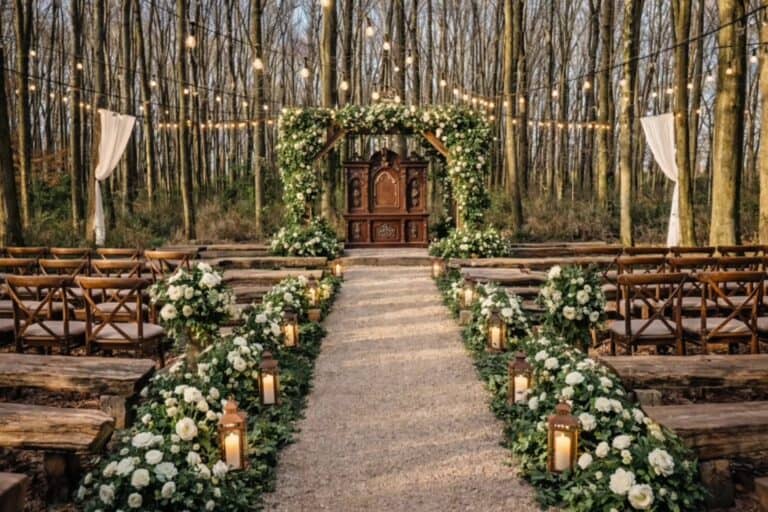
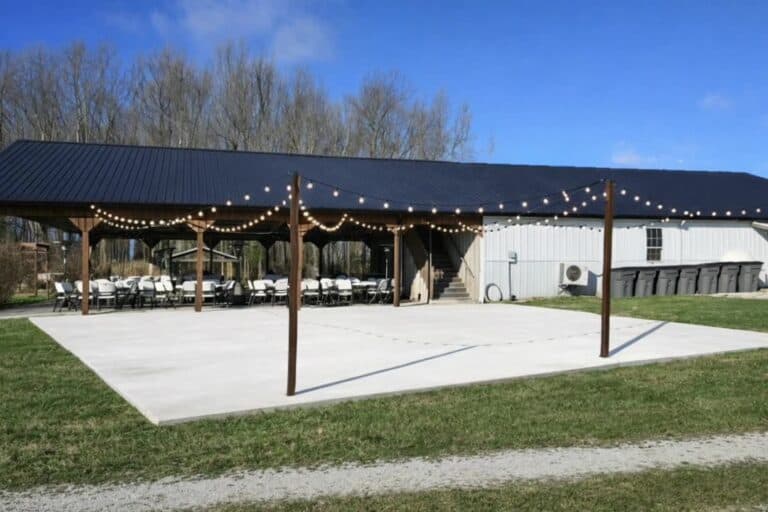
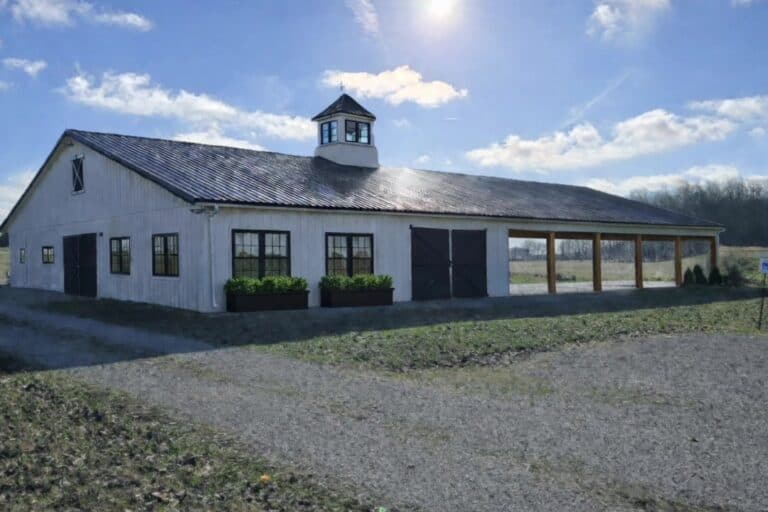
Highland Oaks is a barn wedding venue in Palmyra, Indiana, a short drive from Louisville. Come walk the grounds and picture your day. Tours take about 45 minutes, with no pressure.
Book a TourPrefer to talk it through first? Call or text (502) 785-9671.