Your Wedding Day Timeline, Hour by Hour
You have the venue, the dress, the people. Then someone asks what time dinner is, and you realize you have never actually mapped the day from morning to send-off. A wedding timeline is just that map. Build it well and the day feels unhurried, even with three hundred people on the field.
Start at the end and work backward
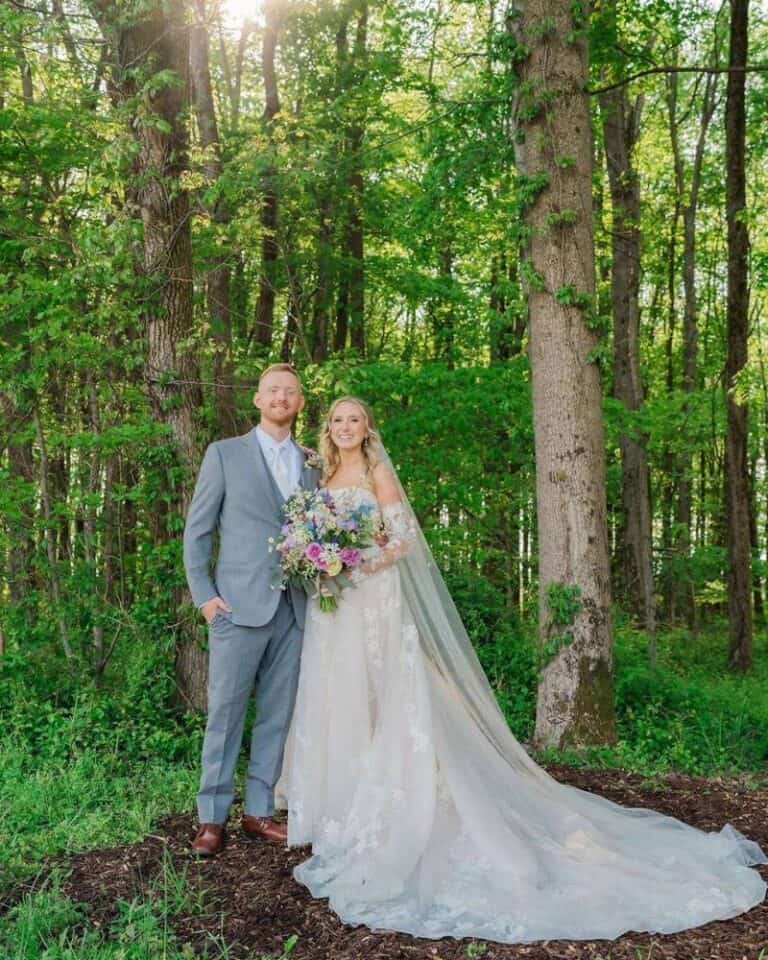
The easiest way to build a timeline is backward. Pick the time the night ends, then walk back through dinner, the ceremony, photos, and getting ready. Most couples anchor on one of two things: the ceremony hour or sunset. If you want to be married in soft, low light with the sun behind the oaks, sunset sets your ceremony time, and everything else falls into place from there.
Work backward and you stop guessing. You are no longer asking “what time should hair start,” you are answering it, because you already know when you need to be dressed and in front of a camera.
A sample timeline for a late-afternoon ceremony
Here is a realistic shape for an outdoor wedding with a 4:30 ceremony that runs into the evening. Yours will shift with your start time, your party size, and whether you do a first look, but the rhythm holds.
- 9:00 AM: Hair and makeup begins. Plan 30 to 45 minutes per person, and add a buffer at the end.
- 12:30 PM: Lunch for the wedding party. Nobody does well on an empty stomach and a glass of champagne.
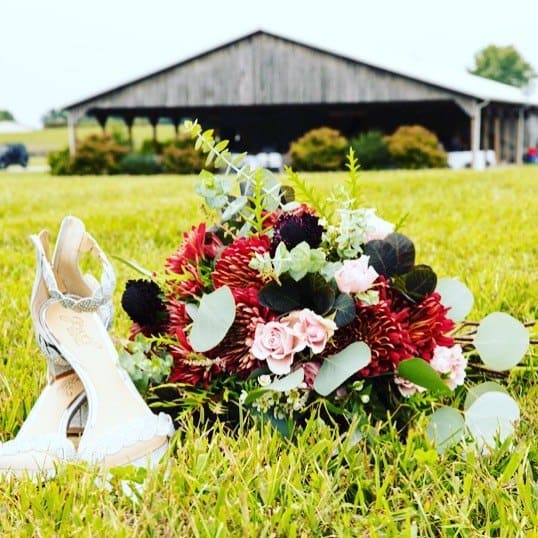
- 1:30 PM: Into the dress, detail photos of rings, shoes, invitations.
- 2:00 PM: First look, then couple and wedding party portraits while everyone is fresh.
- 3:30 PM: Tuck away out of sight. Guests start to arrive.
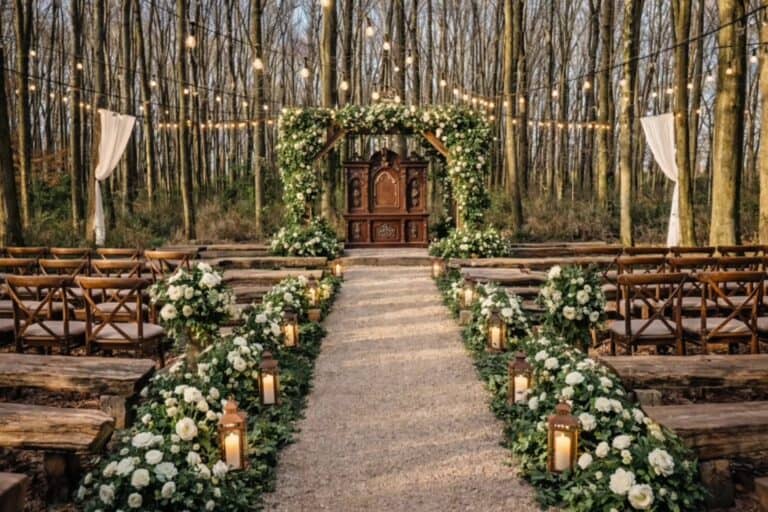
- 4:30 PM: Ceremony. Most run 20 to 30 minutes.
- 5:00 PM: Cocktail hour for guests while you finish family photos.
- 6:00 PM: Grand entrance and dinner.
- 7:00 PM: Toasts.
- 7:30 PM: First dances. Couple, then the parent dances, run 10 to 15 minutes together.
- 8:00 PM: Open dancing.
- 9:30 PM: A few last photos in the dark, maybe a sparkler line.
- 10:30 PM: Send-off.
If you skip the first look, move your couple portraits to the cocktail hour and after the ceremony, and give yourself a longer cocktail hour so guests are not waiting on you.
How long should the reception run?
Most receptions run four to five hours from the start of cocktail hour. That is usually enough for dinner, toasts, the dances you care about, and a real stretch of open dancing without the energy sagging at the end. A bigger guest list with a lot of speeches, or a crowd you know will dance until the lights come up, is a fair reason to add an hour.
Watch the back half. The most common timeline mistake is front-loading the schedule so heavily that dinner ends at 7:30 and you have three hours of dance floor to fill. Trim the formalities before you trim the dancing. People remember the dancing.
Build in margin, or the day will take it from you
Every timeline that looks clean on paper assumes nothing runs long. Something always does. A bustle takes ten minutes, a grandparent needs a slower walk down the aisle, the toasts have one more speaker than you planned. None of it is a problem if you left room.
Pad the morning especially. Hair and makeup running thirty minutes behind is the single most common reason a whole day slides late, and it is the part that shows up in your photos. Build a 30-minute buffer into the getting-ready window and protect it. If the day stays on schedule, you get a quiet half hour with your people before everything starts. That is not wasted time.
Where golden hour fits
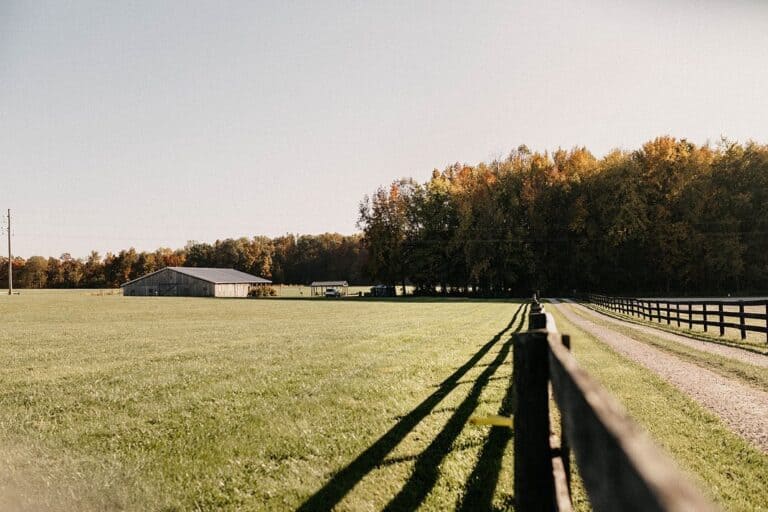
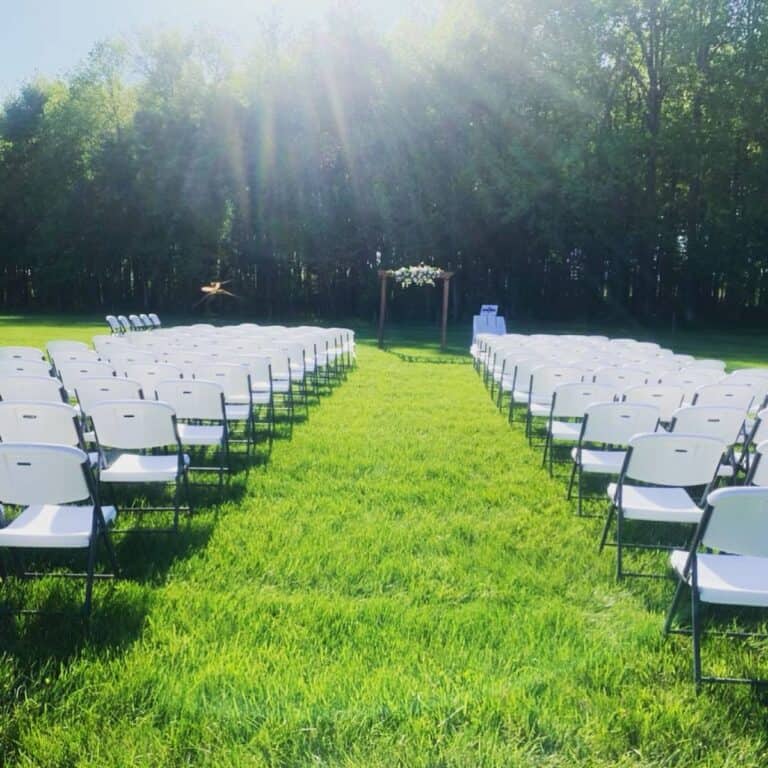
Golden hour is the stretch about an hour before sunset, when the light goes warm and long and forgiving. On an open property like ours, with the field and the oaks, it is the best light of the whole day, and it is worth pulling your photographer aside for ten minutes to use it.
The catch is that sunset moves with the season. An October wedding loses the sun in the early evening, so golden hour can land during dinner and you may want to step out between courses. A June wedding holds light past nine, which gives you room to dance first and shoot late. Check the actual sunset time for your date when you build your timeline, and tell your photographer your plan so they are watching the sky for you.
The morning sets the tone for everything after
The reception gets all the attention, but the morning is where a calm day is won or lost. Start hair and makeup earlier than feels necessary. Eat real food. Keep the getting-ready space close to where photos will happen so you are not caravanning across the property in a dress.
Give one person, your coordinator or a level-headed friend, the printed timeline and the job of moving things along. You should not be the one checking the clock on your own wedding. The whole point of a timeline is that once it exists, you get to stop thinking about it.
Not sure when the night should wrap? Here is how to decide what time your wedding reception should end.
Let your venue help you build it
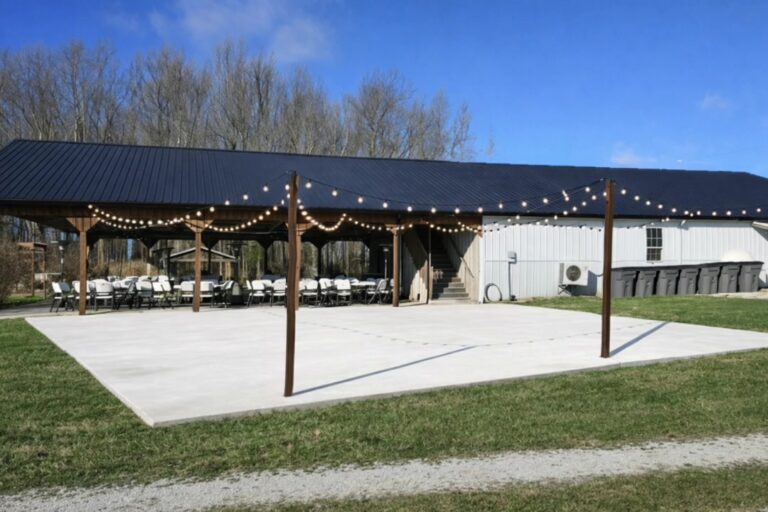
A timeline on a blank page is a guess. A timeline built with someone who has watched a hundred weddings move through the same space is a plan. We have seen where the day tends to run long here, how long it really takes to seat a full dinner under the pavilion, and where the light falls on the field in May versus October.
When you book Highland Oaks, Carrie helps you shape the timeline around your day, not a template. She knows the property, the flow from ceremony to dinner to dancing, and the small things that keep three hundred guests moving without anyone feeling rushed.
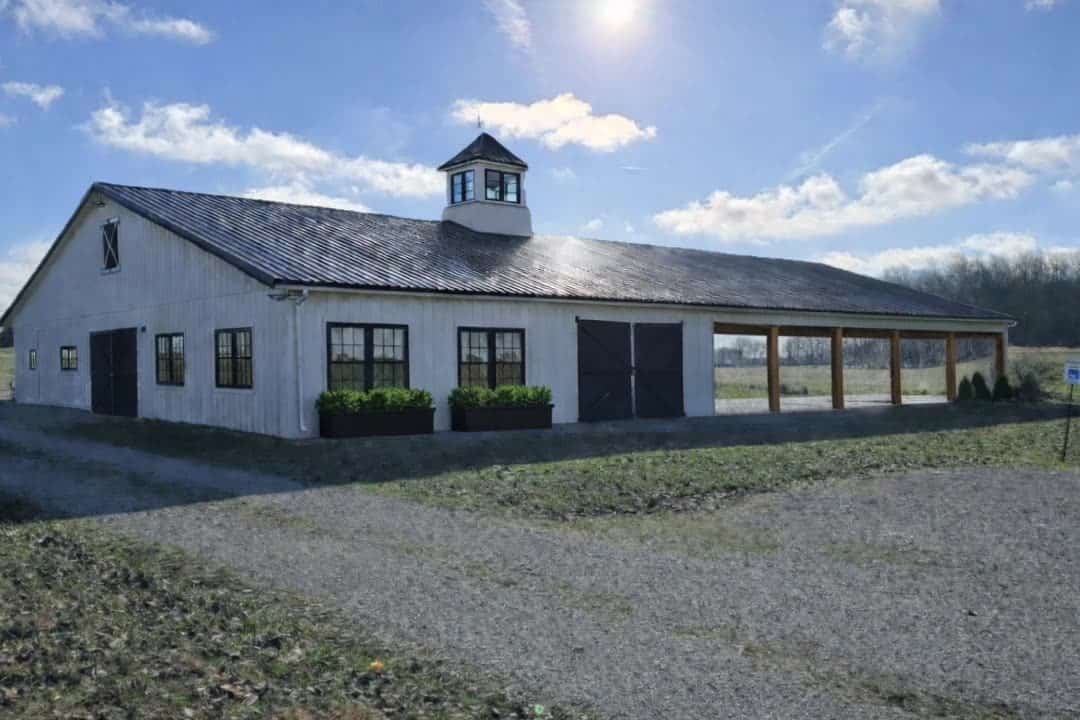
Highland Oaks Weddings and Events sits on open ground in Palmyra, about twenty-five minutes from Louisville, with room for up to 300 guests. If you want to walk the property and start sketching what your day could look like, hour by hour, come see it in person. You can find the details on our pricing page before you visit.
Planning a wedding near Louisville?
Highland Oaks is a barn wedding venue in Palmyra, Indiana, a short drive from Louisville. Come walk the grounds and picture your day. Tours take about 45 minutes, with no pressure.
Book a TourPrefer to talk it through first? Call or text (502) 785-9671.